
A comfortable, confident lifestyle develops through decisions that make everyday experiences healthier, easier, and more enjoyable. Those decisions might involve protecting time for rest, finding personal care routines that suit your needs, or improving the environment where you spend most of your day. Meaningful wellness rarely comes from a single purchase or appointment. It grows from practical choices that support your physical needs, emotional well-being, and sense of independence.
Creating that balance also means recognizing that different people benefit from different approaches. Someone managing a demanding schedule may value simple grooming habits and dependable sleep, while another person may be exploring professional treatments or changes to their home. Rather than following every new wellness trend, consider what actually affects your comfort and confidence. The following strategies show how to combine daily habits, informed service choices, and thoughtful home improvements into a lifestyle that feels sustainable.
An effective starting point is to distinguish essential care from optional upgrades. Necessary medical appointments, preventive habits, and a safe living space should come first. From there, beauty services and small conveniences can offer enjoyment without consuming the time or money needed for other priorities. This perspective keeps wellness personal rather than performative.
Establish Daily Habits That Support Better Living
A wellness-focused routine begins with the activities you repeat consistently. Regular physical movement, balanced meals, adequate sleep, and manageable schedules create a foundation that specialized services cannot replace. Start by identifying one daily frustration, such as feeling rushed in the morning or struggling to unwind at night. Small adjustments can make your routine more supportive without requiring an expensive overhaul.
Movement is especially useful when it fits naturally into your life. Walking after dinner, stretching between work sessions, gardening, or attending a beginner fitness class can create opportunities to move more often. Choose activities you enjoy and can perform comfortably, adjusting intensity to your abilities and medical guidance. Consistency matters more than adopting a complicated routine that becomes difficult to maintain.
Rest deserves similar attention. A predictable bedtime, reduced evening screen exposure, and a quiet sleeping environment may help you establish better sleep habits. Consider how caffeine, late meals, and stressful commitments affect your evenings. If sleep problems persist, discuss them with a healthcare professional rather than relying entirely on supplements or online advice.
Finally, leave room for enjoyment. Reading, spending time outdoors, connecting with friends, or preparing a favorite meal can help your routine feel rewarding instead of restrictive. Personal wellness should create more space for living, not become another source of pressure.
Consider Wellness Services With Clear Goals
Professional wellness services can complement everyday habits when they address a specific concern. Before scheduling an appointment, identify what you hope to improve and whether a service has evidence supporting that goal. A clear objective also makes it easier to discuss cost, possible side effects, realistic results, and alternatives with a qualified provider.
For example, IV therapy delivers fluids and selected substances directly into the bloodstream. In clinical settings, intravenous treatment can be appropriate for certain medical needs, including significant dehydration when oral fluids are insufficient. However, wellness infusions marketed for general energy or improved appearance do not necessarily offer proven advantages to otherwise healthy people. Discuss the ingredients, your medical history, and potential risks with a licensed clinician before considering treatment.
A local med spa may offer skin consultations, minimally invasive cosmetic procedures, and other appearance-focused services. These settings vary in staffing and oversight, so ask who will perform a procedure, what qualifications they hold, and how complications are handled. Review the expected recovery period and any follow-up appointments before committing.
The most useful services are those that fit your actual needs rather than someone else’s routine. Avoid treating appointments as automatic necessities. Professional guidance should help you make informed decisions, including the decision to skip a treatment that offers little benefit for your goals.

Care for Your Skin With a Thoughtful Plan
Healthy skin care does not require a crowded bathroom shelf. A gentle cleanser, an appropriate moisturizer, and consistent sun protection form a practical starting point for many people. Choose products based on your skin’s sensitivity and concerns rather than assumptions that higher prices guarantee better results. Introduce new products gradually so irritation is easier to recognize.
Sun exposure deserves particular attention because ultraviolet radiation contributes to premature skin aging and increases skin cancer risk. Broad-spectrum sunscreen, protective clothing, and shade can work together to reduce exposure. These precautions remain important even when you are pursuing cosmetic improvements, since ongoing sun damage can undermine the appearance of treated skin.
People bothered by uneven pigmentation sometimes explore sun spot removal through dermatology practices or qualified cosmetic providers. Options may include topical products, chemical peels, and certain light-based treatments, depending on the cause of the discoloration. An accurate assessment matters: not every dark spot is harmless, and a new or changing mark should be evaluated by a medical professional before cosmetic treatment.
Approach skin care as ongoing maintenance rather than a race toward perfection. Texture, freckles, and normal signs of aging do not automatically require correction. When a concern genuinely affects your comfort, informed care can help you evaluate options without creating unrealistic expectations about how skin should look.

Evaluate Cosmetic and Vascular Treatment Options
Confidence can involve feeling comfortable with your appearance, but cosmetic procedures are personal choices rather than requirements for well-being. If you are considering a change, start by clarifying what bothers you, what improvement would feel worthwhile, and what trade-offs you would accept. Good decisions account for recovery, finances, and health as well as appearance.
Consultations with local plastic surgeons can help people understand whether a proposed procedure is appropriate for their goals. Ask about board certification in the relevant specialty, experience with the specific procedure, facility accreditation, anesthesia, and complication management. Before-and-after photographs may illustrate possibilities, but they cannot promise an identical result. A thorough consultation should also cover nonprocedural alternatives and reasons to avoid surgery.
Some visible concerns involve circulation rather than general skin texture. People experiencing uncomfortable or prominent leg veins may investigate vein treatment services, which can include medical evaluation and procedures for certain venous conditions. Symptoms such as swelling, aching, or skin changes deserve assessment because underlying vein problems may require more than cosmetic attention. Treatment recommendations should depend on a proper diagnosis, not appearance alone.
Take time between learning about a procedure and scheduling it. Consider a second opinion when recommendations are unclear or the intervention is significant. Confidence grows from having choices that match your values, including choosing no procedure at all.
Use Personal Grooming to Simplify Your Routine
Appearance-related care can be enjoyable without becoming time-consuming. A haircut that suits your hair texture, a manageable styling routine, or a few dependable products can reduce decisions during busy mornings. The goal is to support your preferences and daily activities rather than maintain a look that requires constant effort.
Many people use salon services to refresh their appearance, prepare for an event, or take a break from routine responsibilities. During a consultation, explain how much time you realistically want to spend on upkeep. Mention your budget, product sensitivities, and whether your job or hobbies affect styling choices. The most practical result is one you can maintain comfortably between appointments.
Hair salon services may include cutting, coloring, conditioning treatments, and styling guidance. Processing chemicals and heated tools can affect hair condition, particularly when used frequently. Ask which services fit your hair’s current condition and what at-home maintenance they require. A professional may also suggest simpler options that achieve a similar effect with less upkeep.
Grooming can also provide a moment of personal expression. Trying a different hairstyle or keeping a familiar cut can both feel satisfying when the choice reflects your preferences. You do not have to follow every trend to look put together or feel confident in your appearance.
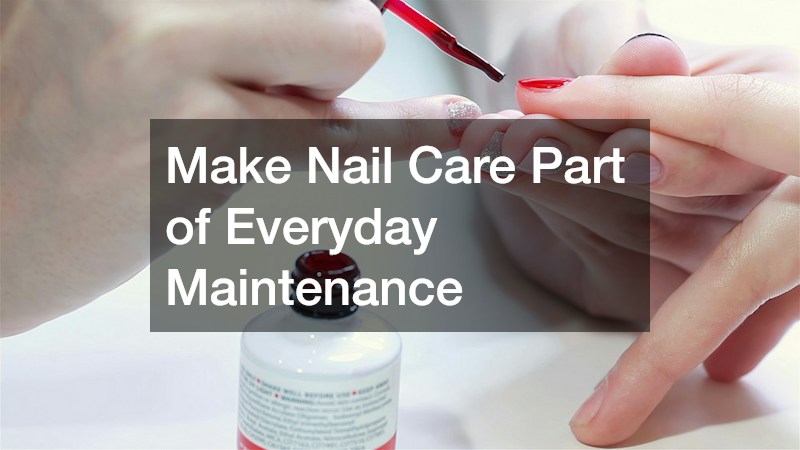
Make Nail Care Part of Everyday Maintenance
Hands and feet handle constant activity, yet they often receive attention only when something becomes uncomfortable. Simple maintenance, such as trimming nails carefully, moisturizing dry skin, and wearing properly fitting shoes, can help support comfort. Keep personal tools clean and avoid cutting or picking at irritated skin around the nails.
Visits to local nail salons can be part of a convenient self-care routine, especially for people who enjoy manicures, pedicures, or professional polish application. Before choosing a salon, look for appropriate sanitation practices, clean workstations, and tools that are correctly disinfected or single-use when required. Technicians should not use the same disposable implements on multiple clients.
Share relevant sensitivities before a service, including previous reactions to adhesives or nail products. Frequent use of artificial enhancements, aggressive filing, or improper removal can damage natural nails. Taking breaks when needed and following safe removal practices may help reduce problems. Anyone with diabetes, poor circulation, an active infection, or a condition affecting wound healing should seek appropriate medical advice about foot care.
Nail maintenance is not simply about color or decoration. Comfortable, healthy nails can make everyday tasks easier, while occasional aesthetic treatments provide a chance to relax or express your style. Select the approach that fits your lifestyle, rather than assuming every appointment needs an elaborate finish.
Create a Healthier and More Comfortable Home
Your surroundings influence everyday routines just as much as your schedule does. A well-organized bedroom can make winding down easier, while accessible storage and adequate lighting can reduce frustration during daily activities. Start with simple improvements: remove unnecessary clutter, address persistent moisture, and make the rooms you use most comfortable and functional.
Water quality is another practical consideration. Taste, odor, staining, and mineral buildup may prompt homeowners to investigate their household water supply. A water treatment company can explain testing options and recommend equipment based on documented conditions, the home’s plumbing, and household preferences. Independent testing is especially important for private wells or when a specific contaminant is suspected. Choose solutions designed for the problem identified rather than purchasing equipment based on a sales claim alone.
In homes with hard water, water softener systems can reduce the minerals associated with scale deposits and soap performance issues. Softening may make certain cleaning tasks easier and help limit mineral buildup in plumbing fixtures. However, a conventional softener does not necessarily remove disease-causing organisms or contaminants such as lead. If drinking-water safety is a concern, seek appropriate testing and treatment recommendations specific to the results.
Comfort also depends on maintenance. Repair leaks promptly, use ventilation where moisture accumulates, and keep frequently used spaces easy to navigate. A home that supports your routines can free up attention for hobbies, relationships, rest, and other aspects of everyday well-being.

Maintain Progress With Flexible, Realistic Choices
Building a wellness-focused lifestyle is easier when you decide what matters most and allow your priorities to evolve. You might begin with sleep and movement, then consider a grooming appointment or home improvement once those habits feel stable. Trying to change everything simultaneously can create unnecessary expense and make it difficult to recognize what genuinely helps.
A simple monthly review can guide your choices. Ask which routines improved comfort, which appointments felt worthwhile, and which purchases created more work than expected. Pay attention to recurring costs, travel time, recovery requirements, and maintenance needs. The service that seems appealing today may not fit your schedule six months from now, and changing direction is reasonable. A thoughtful plan should also protect your financial stability.
It also helps to separate medical needs from optional enhancements. Persistent symptoms deserve evaluation by appropriate healthcare professionals, while cosmetic choices can be guided by personal preference and an honest discussion of risks. Keep preventive care, prescribed treatment, and basic health habits at the center of your plans. Additional services should complement that foundation rather than replace it.
Most importantly, measure progress through daily experience rather than appearances alone. Feeling comfortable in your home, having enough energy for meaningful activities, and making decisions without outside pressure are valuable outcomes. When your approach reflects your needs, budget, and values, confidence becomes a natural part of a lifestyle you can continue enjoying over time.