In home health care services have gained attention, reflecting a shift where patients prefer care in familiar environments. These services highlight the need for personalized medical care, emphasizing comfort and dignity, especially for seniors. As the healthcare system evolves, in home care is becoming a preferred choice for families seeking quality care while maintaining independence.
In home health care involves professional assistance within the patient’s residence and is crucial for the elderly, post-surgery recovery, or those with chronic illnesses or disabilities. It balances effective medical assistance with a comfortable lifestyle.
The growing demand for in home healthcare services emphasizes tailored care that respects individuality and unique health requirements, promoting a better quality of life through flexible and responsive health care delivery.
1. What Are the Benefits of In-Home Health Care?
1.1 Personalized Care
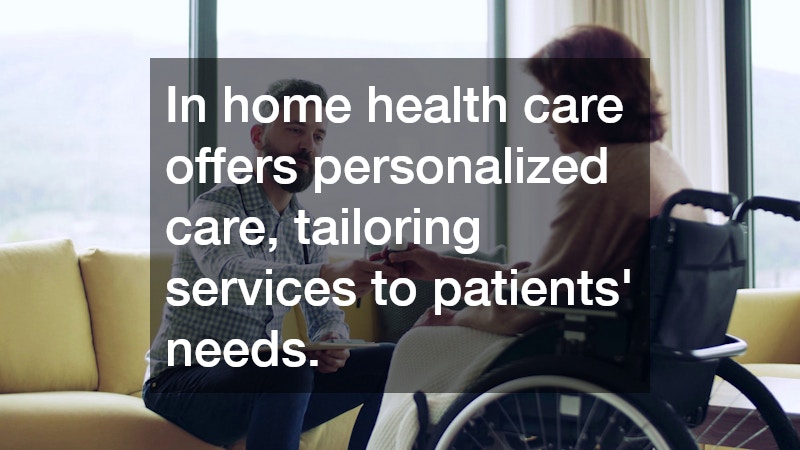
In home health care offers personalized care, tailoring services to patients’ needs. It allows detailed assessments, leading to care structured to improve health outcomes. This personalization extends to dietary preferences, medication schedules, and social activities, fostering a trustworthy relationship and promoting faster recoveries and satisfaction, especially for chronic disease patients. Personalized care ensures potential complications are promptly addressed, promoting long-term health.
1.2 Comfort and Convenience
In home health care offers comfort, eliminating the need for stressful visits to hospitals. It’s beneficial for the elderly and those with mobility challenges, facilitating easier medical appointments. This care setting promotes better communication and understanding, enhancing the therapeutic experience and the patient’s mental health.
1.3 Enhanced Safety
In home health care enhances patient safety, reducing hospital exposure risks. Caregivers perform safety assessments, preventing accidents and ensuring continuity of care. This supports family peace of mind, proactively managing chronic conditions, and ensuring comprehensive risk management.
1.4 Cost-effectiveness
In home care is cost-effective, reducing expenses associated with hospital stays and transportation. Covered by Medicare, Medicaid, or private insurance, it saves families money, preventing costly readmissions through proper management. This model provides financial relief and prioritizes well-being.
1.5 Family Involvement
In home health care promotes family involvement, providing crucial emotional support. It ensures continuity of care, empowering families through education and encouraging patient morale, fostering a supportive environment where everyone plays a part in recovery.
2. How to Choose the Right In-Home Health Care Provider?
2.1 Assessing Your Needs
Choosing a provider starts with assessing healthcare needs, involving medical requirements, personal preferences, and consultations with healthcare providers. Communicating with involved family members ensures informed decision-making and a clear understanding of goals, helping select providers aligned with your priorities.
2.2 Evaluating Provider Qualifications
Evaluating qualifications involves assessing caregivers’ certifications, licenses, and training. Experience in handling various health situations is critical, and interpersonal skills are essential for building trust and providing comprehensive care.
2.3 Reviewing Credentials and Certifications
Reviewing credentials ensures selecting a reputable provider. Confirm current certifications recognized by health organizations. Verify that providers meet legal standards, ensuring trust and quality assurance.
2.4 Checking Reviews and References
Checking reviews and references provides insights into provider reputation and service quality. Personal references offer valuable feedback, while awards reflect commitment to excellence. Thorough review helps choose a trusted provider.
2.5 Cost and Insurance Considerations
Understand cost and insurance coverage to make informed decisions. Identify covered care and compare pricing structures. Explore financial assistance options and plan for expenses to ensure quality care without financial strain.
3. What Services are Typically Offered by In-Home Health Care Providers?
3.1 Medical Care
Providers offer medical services like health assessments, medication management, and treatments at home. This includes specialized care for chronic conditions, ongoing monitoring, and diagnostics to streamline care.
3.2 Personal Care Assistance
Personal care assistance helps with daily activities such as bathing and grooming, maintaining dignity and independence. Caregivers also provide emotional support, preventing falls and isolation for an improved quality of life.
3.3 Companionship Services
Companionship services provide emotional support, preventing loneliness and promoting social interactions. Tailored to personal preferences, these services enhance mood, reduce anxiety, and improve cognitive function.
3.4 Physical and Occupational Therapy
Therapy services promote recovery and independence through exercises and adaptive strategies, integrated seamlessly into daily routines for optimal outcomes.
3.5 Specialized Care for Chronic Conditions
Providers offer specialized care for chronic conditions through personalized plans, monitoring, and education, reducing exacerbations and hospital readmissions.
In home health care provides personalized medical attention and improved comfort and safety. It emphasizes family involvement, cost-effectiveness, and comprehensive care, offering an alternative to traditional healthcare facilities. Understanding needs and providers ensures informed choices for optimal health and happiness.